SEO & Web - 2026-09-24 - by Cybergate Technology
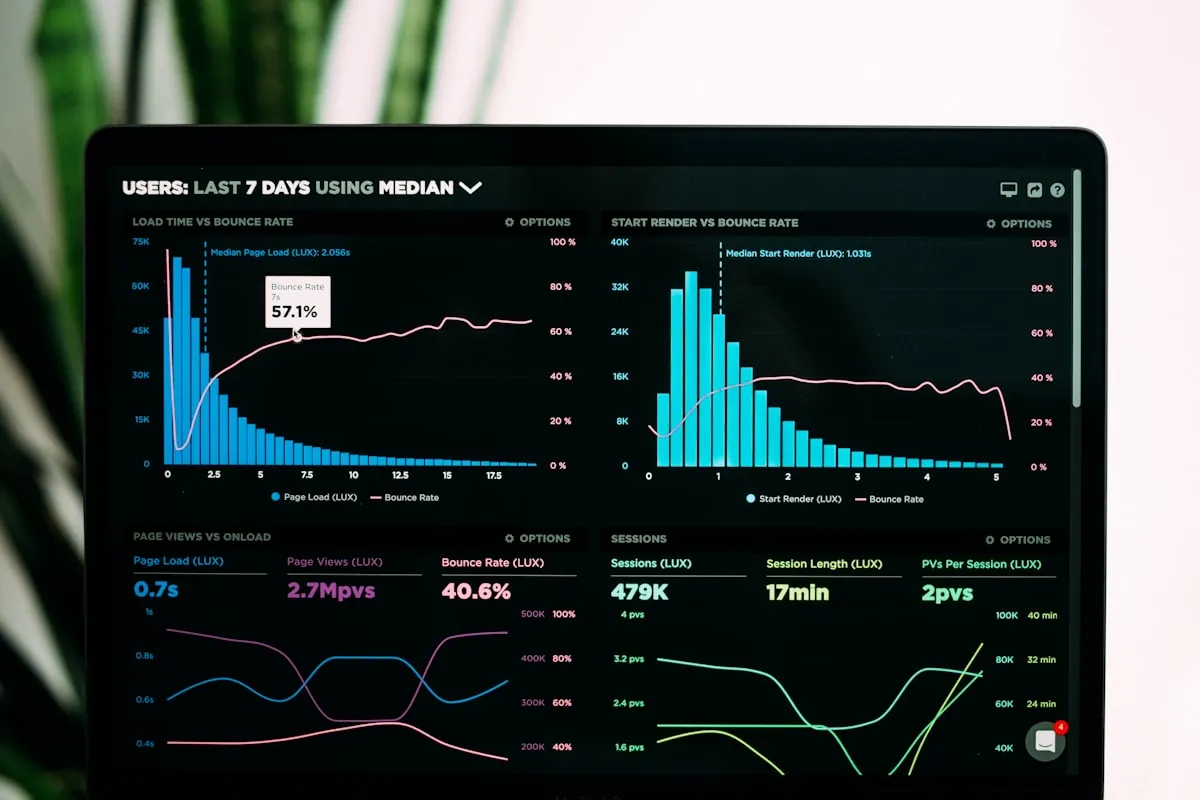
Keyword cannibalisation happens when two or more pages on your website target the same search intent, so they compete with each other and split your ranking strength. You find it in Google Search Console by checking which URLs share impressions for one query. Fix it by merging and 301 redirecting overlapping pages, differentiating their intent, or using canonical tags, then tidying internal links.
What Keyword Cannibalisation Actually Means
Keyword cannibalisation happens when two or more pages on the same website compete for the same search query and the same search intent. Instead of one strong page ranking well, Google sees several similar pages from your site and has to guess which one deserves to be shown. The result is often that none of them ranks as well as a single, focused page would have.
The name comes from the idea that your own pages are eating each other's chances. A competitor is not beating you, your website is splitting its own strength. Links, clicks, relevance signals and even Google's understanding of what your site is about get divided between pages that are all trying to do the same job.
It is worth being precise here, because the term gets overused. Two pages that both mention the phrase "web design Shah Alam" are not automatically cannibalising each other. Cannibalisation is a problem only when the pages serve the same intent and Google keeps swapping between them, or ranks the wrong one. Pages that answer different questions can happily share keywords.
Why It Is So Common on Malaysian SME Websites
Most SME websites grow in bursts. A service page is written at launch, a blog post on a similar topic is added a year later, a promotional landing page is built for a campaign, and then a new agency or freelancer writes another article without checking what already exists. Each page made sense at the time, but together they overlap heavily.
Malaysian businesses also tend to create near-duplicate location pages, for example separate pages for Shah Alam, Klang, Subang Jaya and Petaling Jaya with the same text and only the town name changed. Multilingual sites add another layer when English and Bahasa Malaysia versions are not properly connected. Blog programmes that publish frequently without a content plan are another common source.
None of this is a sign of a badly run business. It is simply what happens when content is produced without a central keyword map. The good news is that cannibalisation is one of the most fixable SEO problems, and fixing it often produces faster gains than writing brand new content, because the pages already exist and already have some history with Google.
How Cannibalisation Hurts Rankings and Enquiries
The first cost is diluted authority. If five websites link to one version of your service page and three link to a similar blog post, neither page receives the full benefit of eight links. Internal links get split in the same way. A single consolidated page would carry all of those signals and usually rank noticeably higher.
The second cost is ranking instability. When Google cannot decide which page is best, it may rotate between them. You might see your blog post in position 8 one week and your service page in position 14 the next, with neither settling. That volatility makes it hard to grow and hard to measure what is working.
The third cost is commercial. Very often the page Google chooses is the wrong one, such as an old blog article ranking for a buying keyword instead of the service page with your pricing, WhatsApp button and enquiry form. You may still get traffic, but fewer of those visitors become leads because they landed on a page that was never designed to convert them.
Cannibalisation vs Duplicate Content vs Normal Overlap
Cannibalisation is related to duplicate content but is not the same thing. Duplicate content is when the same or nearly the same text exists at more than one URL, for example with and without tracking parameters, or printer versions of pages. That is mainly a technical issue, handled with canonical tags and redirects, which we cover in our duplicate content and canonical tags guide.
Cannibalisation can happen even when every word on the two pages is different. What matters is that they target the same query with the same purpose. Two well-written articles titled "How to choose an SEO agency" and "What to look for in an SEO company" are original content, yet they almost certainly compete for the same searches.
Normal overlap is healthy. A pillar page on local SEO and a supporting article on Google reviews will share some terms, and that is fine because the intent is different. The test is always the same: would a searcher be equally satisfied by either page? If yes, you probably have cannibalisation. If each page answers a different question, you have a topic cluster working as intended.
Warning Signs You May Have a Cannibalisation Problem
You rarely notice cannibalisation by looking at your website. You notice it in the data. The patterns below are the most common hints that pages are competing with each other, and any one of them is worth investigating further.
- Rankings for an important keyword jump up and down by many positions from week to week.
- Google Search Console shows two or more of your URLs receiving impressions for the same query.
- A blog post ranks for a service keyword while your actual service page does not appear at all.
- A page that used to rank well dropped soon after you published a similar new page.
- You have several pages with very similar titles or H1 headings.
- Your site search results for a topic show many near-identical pages.
These signs are not proof on their own. Rankings can move for many reasons, including Google updates and competitor activity. But if you see two or three of these patterns around the same topic, it is very likely that consolidating or differentiating those pages will help.
How to Find Cannibalisation With Google Search Console
Google Search Console is the most reliable free tool for this job because it shows real data from Google itself. Open the Performance report, set the date range to the last three to six months, and filter by a query you care about, for example "seo services malaysia". Then click the Pages tab to see every URL that received impressions for that query.
If one page receives almost all the impressions and clicks, you are fine. If two or three URLs share the impressions fairly evenly, or the leading URL changes over time, you have found likely cannibalisation. Comparing periods with the date comparison feature makes the swapping pattern much easier to see.
Repeat this for your ten to twenty most valuable keywords first, the ones tied directly to revenue. If you have not set up Search Console yet or are unsure how to read these reports, our Google Search Console guide walks through the setup and the Performance report step by step.
Other Quick Ways to Spot Competing Pages
A simple site search is a good starting point. Type site:yourdomain.com followed by your keyword into Google, for example site:example.com.my "cctv installation". Google will list the pages on your site it considers relevant. If you see several pages that look like they were written for the same purpose, note them down for review.
A spreadsheet export of all your page titles and H1s is also very revealing. Most SEO crawling tools can produce this list in minutes, and sorting it alphabetically often puts overlapping pages right next to each other. You will quickly spot clusters like three different "website design packages" pages or four almost identical blog posts about backups.
Paid SEO tools such as rank trackers can also flag when the ranking URL for a keyword changes. These are helpful for larger sites, but for most SMEs, Search Console plus a site search plus a titles spreadsheet is enough to find the real problems without spending on extra software.
Build a Simple Keyword Map Before You Fix Anything
Before deleting or merging pages, create a keyword map. This is simply a spreadsheet with one row per important page and columns for the primary keyword, secondary keywords, search intent, current rankings, traffic, conversions and backlinks. It becomes the single source of truth for which page owns which topic.
The core rule of a keyword map is one primary intent per page. Your SEO service page owns "SEO services Malaysia". Your cost guide owns "SEO price Malaysia". Your how-to article owns "how to do keyword research". When a new piece of content is proposed, you check the map first and only create it if no existing page already owns that intent.
If you are unsure how to group keywords by purpose, our guides on keyword research and search intent explain how to decide whether two keywords belong on the same page or on separate pages. Getting this map right prevents cannibalisation from creeping back in later.
Fix 1: Merge and Redirect Overlapping Pages
Merging is the most common and usually the most effective fix. You pick the strongest page, the one with the best rankings, backlinks, conversions or most suitable URL, and make it the winner. Then you move the useful content from the weaker pages into the winner, rewriting so it reads as one coherent, more complete page.
Once the content is combined, the weaker URLs are permanently redirected with a 301 redirect to the winning page. This passes most of their link value and tells Google clearly that the topic now lives in one place. Update your internal links to point directly at the winner so visitors and crawlers do not pass through unnecessary redirects.
Take care to keep the best parts of each page. A weaker post may still contain a useful FAQ, a local example or a table that the stronger page lacks. For details on setting up redirects correctly without losing rankings, see our 301 redirects guide.
Fix 2: Differentiate Pages by Intent
Sometimes both pages deserve to exist, they are just too similar right now. In that case, sharpen each page so it clearly serves a different intent. For example, one page might become a commercial service page for "website design Shah Alam" with packages and a quote form, while the blog post becomes an informational guide on "how to plan a website redesign".
Differentiation usually means rewriting titles, H1s, introductions and the main body so the angle is obvious. Remove sections from one page that really belong to the other, and replace them with a short summary and a link. Each page should then answer its own question more deeply than before.
This approach works well for Malaysian businesses with separate audiences, such as a page for homeowners and a page for commercial clients, or a page targeting Melaka customers with genuinely local content, projects and directions, rather than a copy of the Shah Alam page with the town name swapped.
Fix 3: Canonical Tags, Noindex and Deletion
When two pages must stay live for users but you do not want both competing in search, a canonical tag can tell Google which one is the preferred version. This suits cases such as a campaign landing page that is almost identical to a service page, or product variants that share nearly all content. Remember a canonical is a hint, not a command, so it works best when the pages really are near-duplicates.
A noindex tag is another option for pages that serve a purpose but should not appear in Google at all, such as thank-you pages, internal promotions or thin tag archives. Noindex removes the page from search results while keeping it available to visitors who arrive another way.
Deletion is right only for pages that have no traffic, no backlinks, no conversions and no useful content. Even then, it is usually better to redirect the old URL to the most relevant remaining page rather than leave a 404 error. Deleting pages with real history without a redirect throws away value you already earned.
Fix 4: Tidy Up Internal Links and Anchor Text
Internal links are one of the clearest signals you send to Google about which page matters most for a topic. If your blog posts link to three different pages using the anchor text "SEO services", you are sending mixed signals. After choosing a winner for each topic, update internal links so the relevant anchor text consistently points to that page.
Look at your navigation menu, footer, sidebar and in-content links. Menus often link to an older page while newer content links to a replacement, which keeps both pages looking important. Consistency across the whole site makes the preferred page stand out clearly.
Our internal linking guide covers how to plan links around your key service pages. As a rule, your main commercial pages, such as SEO services and website development, should receive the most internal links from related articles, using natural, descriptive anchor text.
Location Pages: The Biggest Cannibalisation Trap for Local SMEs
Many Klang Valley businesses create a separate page for every nearby town, hoping to rank in each. When those pages share the same text, same photos and same structure, Google often treats them as thin or near-duplicate pages. They compete with each other and with your main service page, and sometimes none of them ranks well.
Location pages work when each one is genuinely useful to people in that area. That means local details such as the areas you actually cover, travel time or call-out arrangements, projects completed nearby, local reviews, directions to your office and questions specific to that market. A Shah Alam page and a Melaka page for the same service should read differently because the audience and situation are different.
If you cannot write something meaningfully different for a town, it is often better to have one strong service page that lists all the areas you serve, supported by a well optimised Google Business Profile. Our multi-location SEO guide explains when separate pages are worth it and how to structure them.
Blogs, Categories and Tags: Hidden Sources of Competition
Content management systems such as WordPress automatically create category pages, tag pages, author archives and date archives. Each one is a separate URL that lists your posts, and they can end up competing with your real articles and service pages for the same terms, especially if you use many tags that repeat category names.
A tidy approach is to keep a small number of meaningful categories, avoid creating tags that duplicate categories, and set thin tag and date archives to noindex. Category pages that you do want to rank should have a proper introduction and a clear purpose, not just a list of excerpts.
Blog programmes are the other big source. Publishing a new article every week without checking your keyword map will eventually produce overlap. Before writing, search your own site for the topic. If you already have a post on it, updating and expanding that post is usually better than writing a new one, which is the core idea behind a content refresh strategy.
Cannibalisation and AI Search Visibility
Cannibalisation matters for AI search too. Tools such as Google's AI Overviews, ChatGPT, Gemini and Perplexity look for clear, authoritative answers they can cite. When your knowledge on a topic is spread thinly across several overlapping pages, none of them may look like the definitive source, and a competitor with one comprehensive page is more likely to be cited.
A single, well-structured page per topic, with a direct answer near the top, clear headings, FAQs and supporting schema markup, gives both Google and AI assistants an obvious page to reference. Consolidation therefore helps with classic rankings and with the newer answer engines at the same time.
If AI visibility is part of your goals, our guide on AI search optimisation for Malaysian SMEs explains how clear topic ownership, structured content and trust signals work together to improve the chance of being mentioned.
A Step-by-Step Cannibalisation Clean-Up Process
Here is a practical order of work that suits most SME websites. Doing it in this sequence keeps risk low and makes it easy to measure results.
- List your 10 to 20 most valuable keywords, the ones linked to real enquiries or sales.
- Check each in Search Console to see which URLs receive impressions and clicks.
- Group competing pages into clusters and record traffic, links and conversions for each.
- Decide an action per cluster: merge and redirect, differentiate, canonicalise, noindex or leave alone.
- Update content, set up 301 redirects and fix internal links in one planned batch.
- Update your XML sitemap and request indexing of the winning pages in Search Console.
- Record the date of changes and monitor rankings and conversions for 6 to 12 weeks.
Expect some movement in the first few weeks as Google recrawls and processes redirects. It is normal for rankings to wobble briefly before settling. Judge the results over at least one to three months rather than reacting to a single week of data.
Mistakes to Avoid When Fixing Cannibalisation
The most damaging mistake is deleting pages without redirects. Any backlinks and rankings those pages had disappear, and visitors who bookmarked them hit an error page. Always redirect removed URLs to the most relevant surviving page.
Another common error is merging pages that were actually serving different intents. If you fold a pricing guide into a how-to article, you may lose rankings for the pricing searches entirely. Check intent carefully first. Similarly, avoid changing too many things at once on your most important page without recording what you changed, or you will not know what caused any improvement or drop.
Finally, do not assume every shared keyword is a problem. Chasing "cannibalisation" that is really healthy topical overlap can lead you to remove good supporting content. Use Search Console data, not guesswork, to decide which clusters genuinely need action.
How to Prevent Cannibalisation Going Forward
Prevention is mainly a process habit. Keep your keyword map up to date and make it the first thing anyone checks before writing a new page or article. Give each new piece of content a single primary keyword and intent, and confirm no existing page already owns it.
Plan content in topic clusters: one pillar page for the broad topic and supporting articles that each answer a specific, distinct question and link back to the pillar. This structure naturally avoids overlap. Review your Search Console data every quarter to catch new overlaps early, before they cost rankings.
When you brief freelancers, agencies or staff, share the keyword map with them. Many cannibalisation problems start when a new writer is simply unaware that a similar page already exists. A five-minute check at the briefing stage can save weeks of clean-up later.
When to Get Professional Help
Small overlaps on a ten-page site are easy to fix yourself. On larger sites with years of blog posts, several location pages, an online store or a multilingual setup, cannibalisation clean-up involves many decisions and many redirects, and a mistake on an important page can cost real enquiries. That is when an experienced SEO team is worth considering.
At Cybergate, from our Shah Alam and Melaka offices, we review Search Console data, build the keyword map, plan merges and redirects, rewrite content and monitor the results for SMEs across the Klang Valley and beyond. Ongoing SEO services start from RM1,000/month, and if a rebuild makes more sense, website development starts from RM1,199. Cybergate is not SST-registered, so the quoted price is final.
Whether you handle it yourself or with help, the aim is the same: one clear, strong page for each important topic, so Google and your customers always land in the right place.
Key Takeaways
- Keyword cannibalisation is when several of your own pages compete for the same search intent, splitting rankings, links and clicks.
- Google Search Console is the best free tool to find it: look for multiple URLs sharing impressions for one query.
- Build a keyword map with one primary intent per page before making changes.
- Fix it by merging and redirecting, differentiating intent, using canonical or noindex tags, and tidying internal links.
- Near-identical location pages and uncontrolled blog, tag and category archives are the most common causes for SMEs.
- Never delete pages with history without a 301 redirect, and measure results over one to three months.
Fixing cannibalisation is often one of the quickest SEO wins available, because you are strengthening pages Google already knows rather than starting from zero.
Need help with this?
Cybergate provides IT support, cybersecurity, Microsoft 365 and SEO for Malaysian businesses. Free consultation, no obligation.
Get Free Consultation WhatsApp Us