SEO & Web - 2026-10-02 - by Cybergate Technology
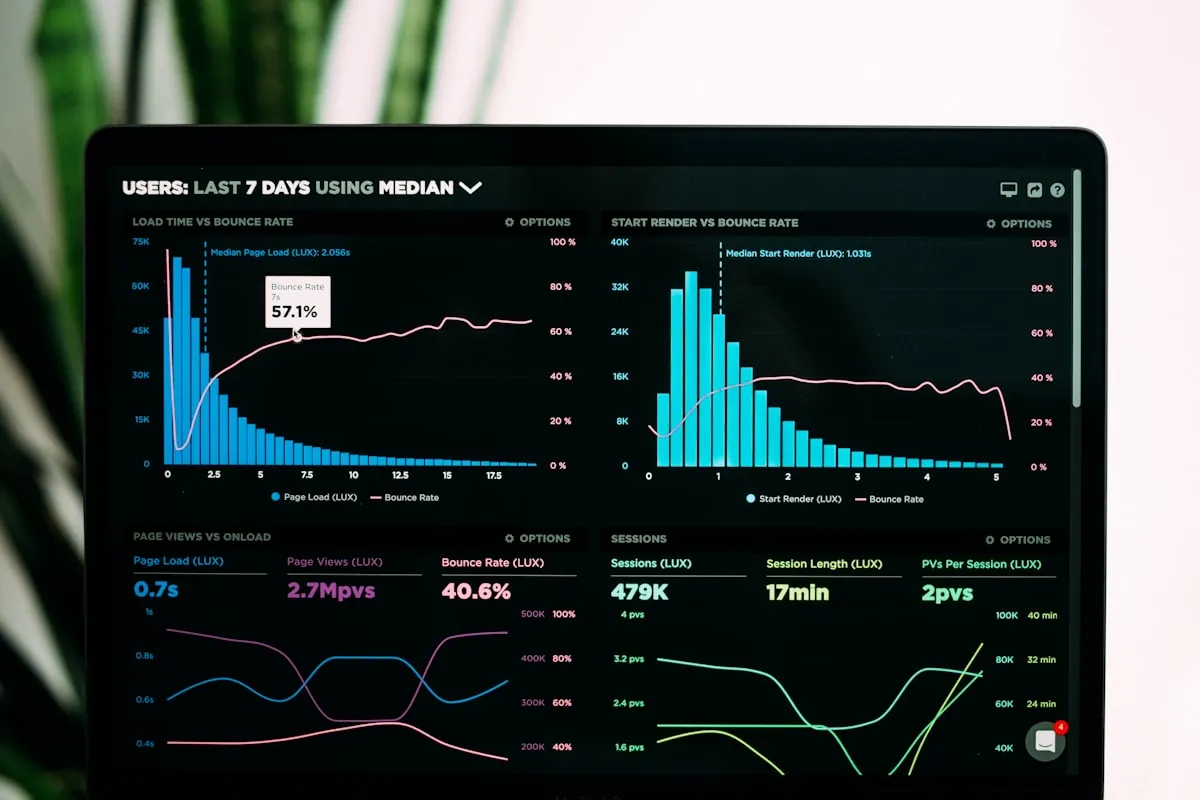
Build a focused page for each real service and key route, complete your Google Business Profile, show genuine proof such as licences, photos and reviews, make the quote request quick and tracked, and publish helpful guides that answer buyer questions. Measure results monthly in Search Console and GA4 and improve what the data shows.
Why logistics companies need SEO, not just referrals
Most logistics and freight forwarding companies in Malaysia grew through relationships. A shipper knows someone who knows your sales manager, a trade association event leads to an introduction, and a few large accounts keep the trucks and containers moving. That model works, but it has a ceiling, and it is fragile when your biggest customer switches provider or moves production overseas.
Meanwhile the people who buy logistics services have changed how they look for suppliers. An operations executive at a new factory, a procurement officer comparing quotes, or an eCommerce seller who has just outgrown self-fulfilment will usually open Google first. They type something like 'freight forwarder Port Klang', 'warehouse for rent Shah Alam' or 'lorry transport Melaka to Johor' and shortlist whoever looks credible. If you are not on that first page, you are not on the shortlist.
SEO gives a logistics company a steady stream of new enquiries that do not depend on personal introductions. It also pre-qualifies buyers, because someone searching for a specific route or service already knows what they need. This guide explains how to build that visibility step by step, with a focus on practical actions a Malaysian SME can take without a large marketing team.
How buyers actually search for logistics services
Logistics searches are specific. Buyers rarely type just 'logistics Malaysia'. They search by service, route, cargo type and location. Understanding those patterns is the foundation of everything else, because each pattern deserves its own page on your website.
- Service searches: sea freight, air freight, customs clearance, warehousing, last-mile delivery, cold chain, project cargo and trucking.
- Route searches: Port Klang to Singapore, Penang to Shah Alam, KLIA cargo, East Malaysia shipments, or inbound from China and Thailand.
- Location searches: logistics company Shah Alam, warehouse Klang, transport company Melaka, forwarder Petaling Jaya.
- Problem searches: how to clear goods at Port Klang, what documents are needed to import, how to ship pallets to Sabah.
Notice that these fall into two groups. Service, route and location searches show commercial intent and lead directly to quote requests. Problem searches show early research intent and are your chance to build trust through helpful guides. A healthy logistics website covers both, which is the same idea behind our guide on search intent for Malaysian SMEs.
Start with keyword research built around services and routes
Good keyword research for logistics starts with your own business, not a tool. List every service you genuinely deliver, every route you handle regularly, every cargo type you are equipped for, and every area where you have a depot or warehouse. These real capabilities are the only keywords worth targeting, because every enquiry you win must be one you can actually fulfil.
Then expand each item with the words buyers use. 'Freight forwarder' and 'freight forwarding' are different phrases, and some buyers search 'courier' when they really need a lorry. Check Google's autocomplete and the 'People also ask' box, look at what competitors rank for, and review the search terms already appearing in Google Search Console. Our keyword research guide walks through this process in detail.
Finally, group keywords by page. One service and one route family per page is a clean rule. Avoid cramming 'sea freight, air freight, trucking and warehousing' into a single page, because each service is a different buying decision and deserves its own focused page. Mixing them leads to pages that rank for none of them, a problem described in our article on keyword cannibalisation.
Build dedicated service pages that answer real buyer questions
Your service pages are the money pages of the website. Each one should explain what the service is, who it is for, how it works from enquiry to delivery, what information you need to give a quote, and what makes your approach reliable. Most logistics websites fail here by publishing two lines and a stock photo of a container ship.
A strong service page includes the cargo types you handle, typical transit coverage, documentation you help with, the equipment or facilities involved, and the steps in your process. Be honest about what you do not do. A buyer who sees that you specialise in palletised industrial goods is more likely to trust you than one who sees a vague claim that you do everything.
Add proof wherever you genuinely have it: licences and memberships, certifications you hold, photos of your own warehouse and fleet, and real customer reviews. Do not invent case studies or logos. If you cannot yet show named clients because of confidentiality, describe the type of work, for example 'regular weekly deliveries for an electronics manufacturer in Shah Alam', only where the client has agreed. This kind of evidence supports the trust signals covered in our E-E-A-T guide.
Create route and location pages without creating thin content
Route pages such as 'Shah Alam to Johor Bahru trucking' or 'Port Klang customs clearance' can bring very targeted enquiries. The danger is generating dozens of near-identical pages that only swap the place name. Google treats these as thin content, and they can drag down the quality of the whole site.
Create a route or location page only when you have something specific to say. That might be the pickup points you cover, typical lead times, which vehicle types suit the route, common documents or permits, and any local knowledge such as congestion windows or port cut-off habits. If two routes would have almost the same text, combine them on one page instead.
A sensible starting point for a Klang Valley operator is a handful of pages: one for each major service, one for your home base such as Shah Alam, one for your key port or airport, and a few for your busiest corridors. You can add more as you gather genuine detail. This restraint also keeps your site structure clean, which matters for crawling, as explained in our guide to URL structure and site architecture.
Local SEO and Google Business Profile for depots and warehouses
If customers can visit, collect or drop off at a physical location, a Google Business Profile is essential. That includes warehouses with a walk-in counter, depots that accept drop-offs, and offices where clients meet your team. A complete profile helps you appear in Google Maps and the local pack for searches like 'warehouse near me' and 'logistics company Shah Alam'.
Choose the most accurate primary category, add secondary categories for each real service, fill in opening hours, add your service areas if you deliver to customers, and upload genuine photos of the premises, vehicles and team. Respond to every review professionally. If your business is purely a service-area operation without a public counter, follow Google's guidelines on hiding the address rather than listing a location customers cannot visit.
Consistency across the web matters too. Your business name, address and phone number should match everywhere they appear, from directories to industry listings, as we explain in our guide to local citations and NAP consistency. For a full walkthrough of the profile itself, see our Google Business Profile guide, and if you also operate from Melaka, our Melaka local SEO guide covers the regional angle.
Technical foundations: speed, mobile and structure
Logistics buyers are often on mobile, checking a quote from the warehouse floor or a site office. A slow, clumsy website loses them before they read a word. Make sure pages load quickly on a normal mobile connection, buttons are easy to tap, the quote form is short, and the phone number and WhatsApp link work with one tap.
Behind the scenes, check the basics: an HTTPS certificate, a clean XML sitemap, a sensible robots.txt, no accidental noindex tags, and no broken pages. Many logistics sites run on old templates with heavy sliders and unoptimised photos of ships and trucks. Compress images, remove unused plugins, and choose reliable hosting. Our technical SEO guide and Core Web Vitals article cover each of these checks.
If your website is outdated and cannot be fixed cheaply, a rebuild may be the better investment. Cybergate's website development service builds fast, mobile-friendly business websites from RM1,199, and a redesign should always preserve existing rankings, as described in our guide to redesigning a website without losing SEO.
Use content to capture early-stage research searches
Your service pages capture buyers who are ready to ask for a quote. Blog content captures the ones still researching, and many of those will become customers if you are the helpful source they found first. Logistics has no shortage of confusing questions that your team already answers every week on the phone.
- What documents are needed to import goods into Malaysia, explained in plain language.
- The difference between FCL and LCL shipments and when each makes sense.
- How to prepare cargo and packing lists to avoid delays.
- What affects a freight quote and what information a forwarder needs from you.
- How eCommerce sellers can choose between self-fulfilment and a third-party warehouse.
Write each article from real operational experience, keep it accurate, and avoid quoting rules or tariffs you cannot verify, because customs and regulatory details change. Where a rule matters, tell readers to confirm with the relevant authority or with your team. Link each guide to the matching service page so the reader has a natural next step. Our SEO content strategy guide explains how to plan this without wasting effort.
Structured data and AI search visibility
Schema markup helps search engines understand who you are and what you offer. For a logistics company, the most useful types are Organization or LocalBusiness for your company details, FAQPage for genuine questions answered on a page, and BreadcrumbList for site structure. Mark up only what is visible on the page and keep it accurate. Our structured data guide shows how.
Buyers are also starting to ask AI tools questions such as 'which logistics company in Shah Alam handles cold chain'. AI search tools prefer clear, factual pages that state who you are, where you operate, what you handle and how to contact you, with consistent details across the web. Clear service pages, honest FAQs and a well-maintained business profile all help. We cover this in our article on AEO and GEO for Malaysian businesses.
No one can guarantee that an AI tool will mention your company. What you can do is make your information easy to find, easy to verify and consistent. That is the same discipline that supports normal rankings, so the work does double duty.
Reviews, reputation and trust signals
In logistics, trust is everything. A shipper is handing over valuable goods and expecting them to arrive intact and on time. Reviews on Google, a clear company profile, visible licences and memberships, and a team page with real people all reduce the perceived risk of choosing you.
Build a habit of asking satisfied customers for a Google review after a successful delivery or at the end of a project. Make it easy by sending a direct review link by WhatsApp or email. Never buy reviews or offer incentives that break Google's rules, and never fake them. Reply to every review, including the critical ones, calmly and with specifics about how you will fix the issue. Our Google reviews guide has a simple process you can adopt.
On the website, show who is behind the company: your registered business name, address, contact details, years in operation and the names of key team members where they are comfortable being named. Anonymous logistics sites feel risky, and risky sites do not get quote requests.
Turn visitors into quote requests
Traffic is only useful if it produces enquiries. Most logistics buyers want a quote, so the quote request is your main conversion. Keep the form short, with fields for name, company, phone, service, origin, destination and a short description of the cargo. Every extra field reduces completion.
Offer more than one way to reach you. A WhatsApp button, a click-to-call number and a form suit different buyers, and many Malaysian businesses prefer WhatsApp for quick questions. Make sure each channel is tracked so you know which pages and sources produce real leads. Our guide to adding and tracking a WhatsApp button and our article on website forms for lead generation explain the setup.
Set expectations on the page. Say how quickly you reply, what information speeds up a quote, and what happens next. A buyer who knows you will respond within a business day is more likely to submit than one who sees a blank form and silence.
Tracking what matters with Search Console and GA4
Set up Google Search Console to see which queries bring impressions and clicks, which pages are indexed, and whether any technical problems exist. Set up GA4 to track form submissions, WhatsApp clicks and phone taps as conversion events. Without this, you will not know which pages deserve more investment.
Review the data monthly. Look for service pages with impressions but low clicks, which usually need better titles and descriptions. Look for pages that attract visits but no enquiries, which usually need clearer calls to action or more convincing content. Compare enquiry numbers month to month rather than obsessing over one keyword's position.
Our guides to Google Search Console and GA4 show how to set both up, and our SEO reporting guide explains which numbers to read. If you prefer to hand this to a specialist team, Cybergate's SEO service starts from RM1,000 per month.
Common SEO mistakes logistics companies make
After reviewing many business websites, a few mistakes appear repeatedly in the logistics sector. They are all fixable, and fixing them often delivers faster gains than adding new content.
- One generic 'Services' page that lists everything but ranks for nothing.
- Stock photos of ships and planes instead of real warehouse, fleet and team photos.
- Dozens of near-identical route pages with only the place name changed.
- No clear quote button, or a form that asks for too much information.
- An unverified or inconsistent Google Business Profile, with old addresses or phone numbers.
- No tracking, so nobody knows which pages produce enquiries.
- Outdated information about services, rates or regulations left on the site.
Our broader article on common SEO mistakes lists more pitfalls that apply to any business website.
A realistic 90-day plan for a logistics website
A plan keeps the work from becoming overwhelming. In the first month, fix the foundations: confirm the site is indexed, set up Search Console and GA4, claim and complete the Google Business Profile, correct citations, and make sure the quote form and WhatsApp button work and are tracked.
In the second month, improve or create your core service pages, one per main service, with real detail and proof. Rewrite titles and meta descriptions, add internal links between related services, and add FAQs with accurate answers. In the third month, add your most valuable route or location pages and publish the first two or three helpful guides based on customer questions.
After 90 days, review the data and decide what to double down on. SEO builds gradually, and the time to see results varies by competition and starting point. Our article on how long SEO takes sets honest expectations. If you want to compare doing this in-house versus hiring help, read how to choose an SEO agency.
Key takeaways
- Logistics buyers search by service, route and location, so each deserves a focused page.
- Build real service pages with specific detail and honest proof, not generic claims.
- Create route pages only when you have unique information to share.
- Complete your Google Business Profile and keep your details consistent everywhere.
- Make the quote request fast, mobile friendly and tracked.
- Use helpful guides to capture buyers who are still researching.
- Measure monthly in Search Console and GA4 and improve what the data shows.
Need help with this?
Cybergate provides IT support, cybersecurity, Microsoft 365 and SEO for Malaysian businesses. Free consultation, no obligation.
Get Free Consultation WhatsApp Us